 Cartilage
 Knees
Knees Hip
Hip Shoulder
Knee Cartilage and Its Capacity for Repair
23/02/26


Our knees play a vital role in everyday movement, and at the heart of healthy knee function is the cartilage—a smooth tissue that cushions the bones and allows for pain-free movement. However, when this cartilage becomes damaged or starts to wear away, it can lead to pain, stiffness, and difficulty moving — all of which can seriously affect quality of life.
While surgery has often been the go-to solution, it is invasive and not without risks. Thankfully, there is growing interest in non-surgical, evidence-based methods that support cartilage health and help to ease knee pain. With the expert guidance of Professor Paul Lee and the dedicated team at the London Cartilage Clinic, this article will explore practical, research-backed strategies for keeping your knee cartilage strong without going under the knife.
Articular cartilage is the thin, protective layer of tissue covering the ends of bones in the knee joint. It acts like a shock absorber, enabling smooth movement and reducing friction. Unfortunately, this cartilage doesn’t have its own blood supply or nerve endings, which makes repairing damage slow and challenging.
While true cartilage regeneration is limited, there are effective ways to support the remaining cartilage, reduce symptoms, and improve joint function. As one recent study emphasised, “physical examination and clinical history are still the basic and low-cost diagnostic methods,” highlighting how important personalised assessment is before starting any treatment (Corain et al., 2023). Always seek professional medical advice to tailor the best approach for your specific needs.
One of the simplest but most powerful ways to safeguard your knee cartilage is by strengthening the muscles around the joint. Strong muscles help absorb shock and reduce the load on your knees, making movement more stable and less painful.
The key muscle groups to work on are the quadriceps (front of the thigh), hamstrings (back of the thigh), and gluteal muscles (around the hips). Exercises like straight leg raises, hamstring curls, and hip bridges target these areas and can be included safely in most rehabilitation programmes.
It’s important to start gently and focus on using the correct technique, gradually increasing effort over time. Physiotherapists and sports medicine experts, such as those at the London Cartilage Clinic, can craft personalised exercise plans that get the best results while keeping you safe.
Keeping active without putting too much strain on your knees is essential for cartilage health. Low-impact activities such as cycling, swimming, and walking are excellent choices—they improve circulation to the joint and help maintain movement, all while minimising pressure on the cartilage.
Scientific studies show these gentler activities can reduce knee pain and support joint function better than high-impact sports like running or jumping. Alongside exercise, simple lifestyle modifications—such as avoiding deep squats or repeatedly bending the knee, and using supportive aids if needed—can help protect your joints without forcing you to slow down drastically.
Regular check-ins with healthcare professionals ensure your activity is appropriate for your knee’s condition. The London Cartilage Clinic offers tailored advice to help you balance protection with an active lifestyle.
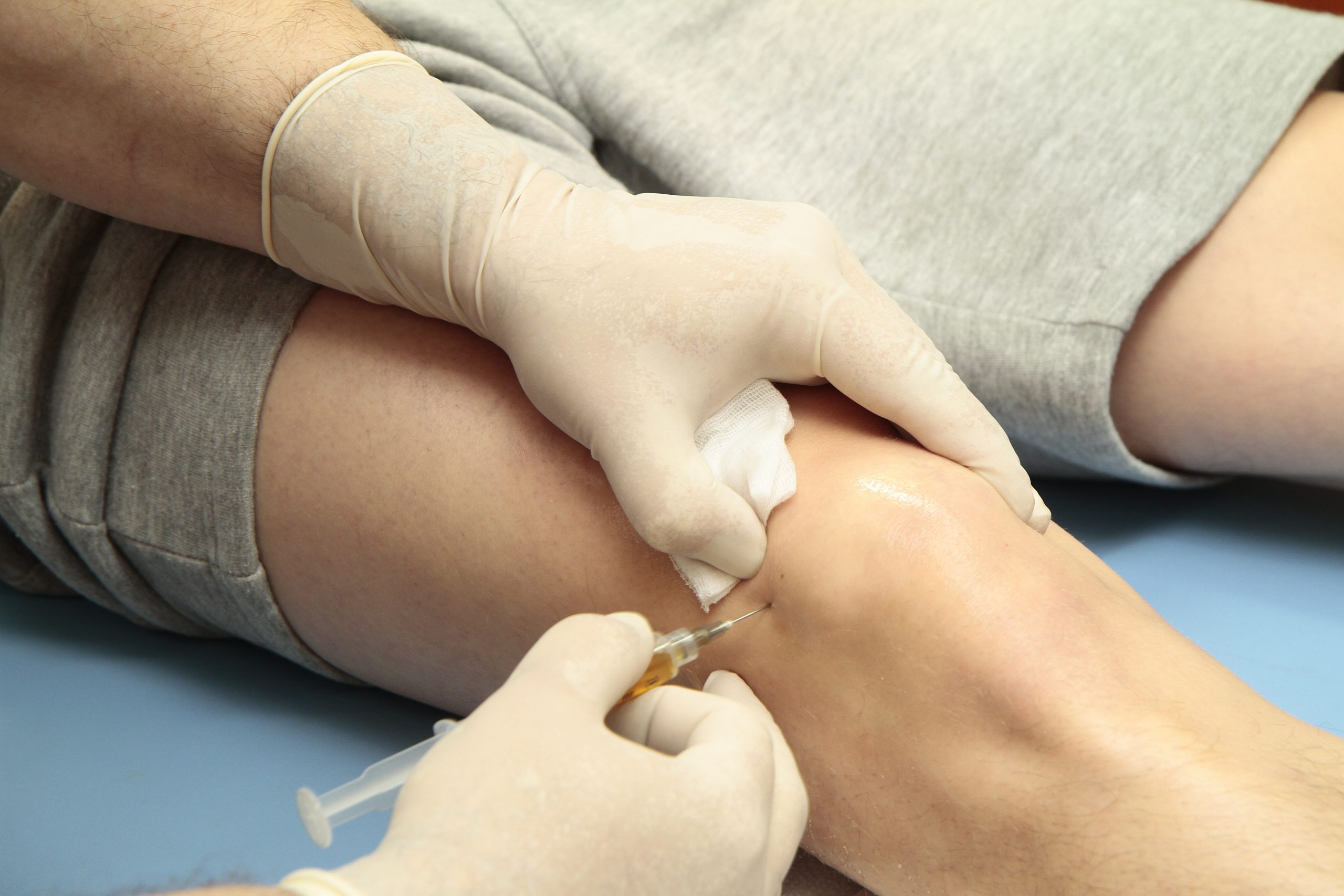
Injectable therapies, including platelet-rich plasma (PRP) and hyaluronic acid, have become increasingly popular for easing knee pain and supporting cartilage health. PRP uses concentrated components from your own blood to deliver healing factors directly to damaged tissue, while hyaluronic acid injections aim to improve joint lubrication and cushioning.
Emerging treatments feature injectable collagen matrices as well. These work by “forming a protective layer around the cartilage defect while stimulating the growth of chondrocytes—the cells responsible for cartilage health—and encouraging cartilage repair” (Corain et al., 2023). Specialists also use “a simple, inexpensive, and reproducible technique” involving a combination of needle and curette instruments to apply these treatments precisely (Perez-Carro et al., 2021).
A further study on collagen matrix injections for knee cartilage showed this method “is a safe and simple workable treatment… with impressive maturation of the reconstructed cartilage over time” (Schneider, 2016). However, it’s important to remember no injectable therapy guarantees full cartilage regeneration. Each option comes with pros and cons, so professional assessment is crucial to determine the right choice for you.
Managing your weight is one of the most impactful steps to protect your knees. Excess weight increases the pressure on your joints, speeding up cartilage wear and exacerbating pain. By maintaining a healthy weight, you can significantly reduce knee stress and improve comfort.
Your diet also matters. Incorporating anti-inflammatory foods—such as oily fish rich in omega-3, fresh fruits, and vegetables—may help reduce joint inflammation. Some people find supplements like glucosamine and chondroitin helpful for easing cartilage-related discomfort, although scientific evidence is mixed.
Remember, no single food or supplement will cure cartilage damage, but these lifestyle adjustments work best as part of a comprehensive plan overseen by your healthcare team.
Every person’s knee health journey is unique, which is why working closely with healthcare professionals—physiotherapists, sports medicine doctors, and specialist clinics like the London Cartilage Clinic—is so important.
Personalised care ensures that your treatment plan fits your specific condition, lifestyle, and goals, which helps deliver safer and more effective outcomes in preserving your knee function and improving your quality of life.
While true cartilage regeneration remains a complex challenge, there are many evidence-supported non-surgical strategies to keep your knee cartilage healthy and reduce pain. Strengthening muscles, choosing suitable low-impact exercise, modifying activities, considering injectable treatments, and making thoughtful lifestyle changes all play a part.
With the expert knowledge of Professor Paul Lee and the dedicated team at the London Cartilage Clinic, you can access tailored care designed to support your knee health without surgery.
For advice specific to your situation, always consult a qualified healthcare professional.
Corain, M., Zanotti, F., Giardini, M., Gasperotti, L., Invernizzi, E., Biasi, V., & Lavagnolo, U. (2023). The Use of an Acellular Collagen Matrix ChondroFiller® Liquid for Trapeziometacarpal Osteoarthritis.
Schneider, U. (2016). Controlled, randomized multicenter study to compare compatibility and safety of ChondroFiller liquid (cell free 2-component collagen gel) with microfracturing of patients with focal cartilage defects of the knee joint.
Perez-Carro, L., Mendoza Alejo, P. R., Gutierrez Castanedo, G., Menendez Solana, G., Fernandez Divar, J. A., Galindo Rubin, P., & Fernandez, A. A. (2021). Hip Chondral Defects: Arthroscopic Treatment With the Needle and Curette Technique and ChondroFiller.
Professor Paul Lee is a renowned cartilage expert and surgical ambassador, offering advanced, evidence-based treatments tailored to each individual. His expertise ensures patients at London Cartilage Clinic receive high-quality, personalised care focused on effective knee cartilage preservation without unnecessary surgery.
The London Cartilage Clinic stands out for its multidisciplinary approach, experienced clinicians like Professor Lee, and commitment to innovative non-surgical solutions. Patients receive care designed to maximise joint health and function according to the best current research and clinical practice.
Yes, the London Cartilage Clinic offers a range of evidence-based non-surgical treatments, including personalised exercise programmes, low-impact activity advice, and cutting-edge injectable therapies. These aim to reduce pain, support cartilage, and improve movement under professional supervision.
Each patient at London Cartilage Clinic receives an individual assessment to fully understand their unique situation. Professor Lee and the team design tailored treatment plans, combining clinical expertise and patient preferences to optimise outcomes while minimising risk and discomfort.
The clinic encourages weight management, anti-inflammatory diets, and evidence-based supplements as part of comprehensive knee care. With support from Professor Lee and his team, patients can make informed choices to help protect their knees and maintain a healthy, active lifestyle.
All our treatments are selected to help patients achieve the best possible outcomes and return to the quality of life they deserve. Get in touch if you have any questions.
At London Cartilage Clinic, we are constantly staying up-to-date on the latest treatment options for knee injuries and ongoing knee health issues. As a result, our patients have access to the best equipment, techniques, and expertise in the field, whether it’s for cartilage repair, regeneration, or replacement.
For the best in patient care and cartilage knowledge, contact London Cartilage Clinic today.
At London Cartilage Clinic, our team has spent years gaining an in-depth understanding of human biology and the skills necessary to provide a wide range of cartilage treatments. It’s our mission to administer comprehensive care through innovative solutions targeted at key areas, including cartilage injuries. During an initial consultation, one of our medical professionals will establish which path forward is best for you.
Contact us if you have any questions about the various treatment methods on offer.
Legal & Medical Disclaimer
This article is written by an independent contributor and reflects their own views and experience, not necessarily those of londoncartilage.com. It is provided for general information and education only and does not constitute medical advice, diagnosis, or treatment.
Always seek personalised advice from a qualified healthcare professional before making decisions about your health. londoncartilage.com accepts no responsibility for errors, omissions, third-party content, or any loss, damage, or injury arising from reliance on this material. If you believe this article contains inaccurate or infringing content, please contact us at [email protected].